A clear framework for restaurants and cafés comparing payment options
Start with your actual processing statements
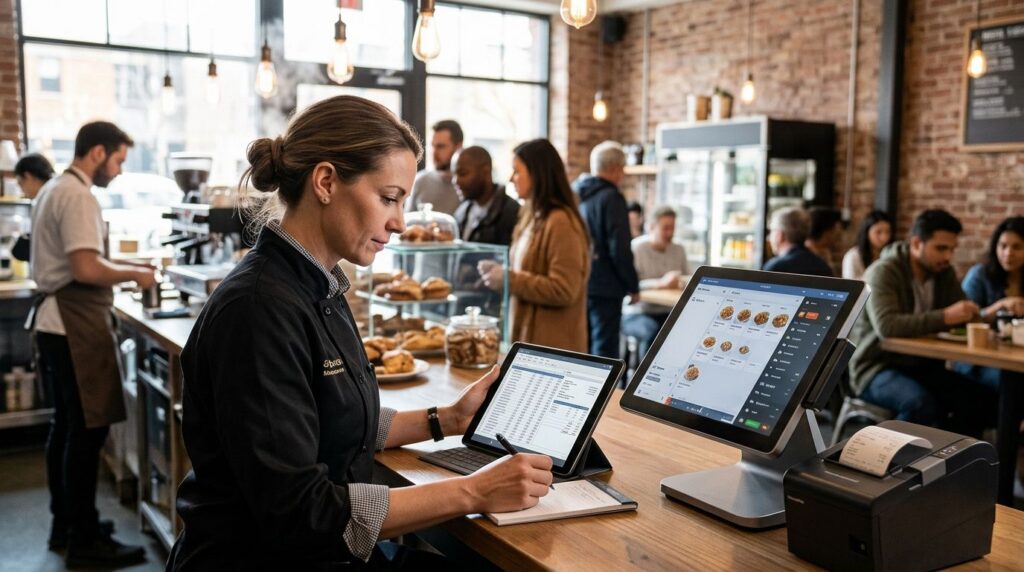
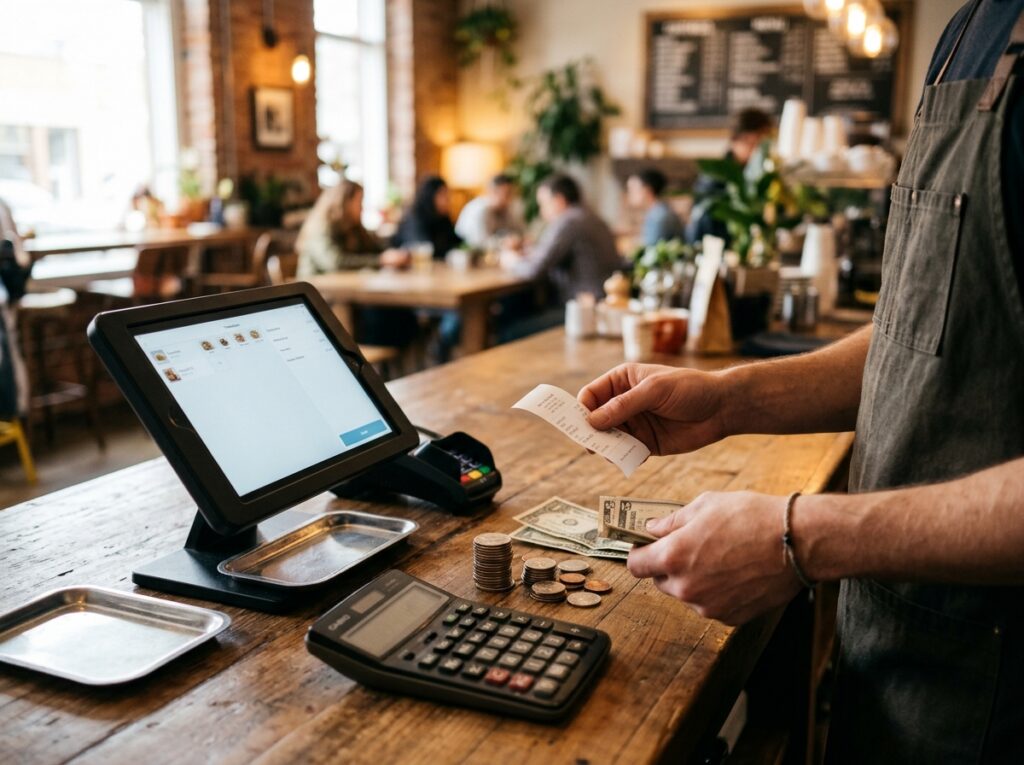
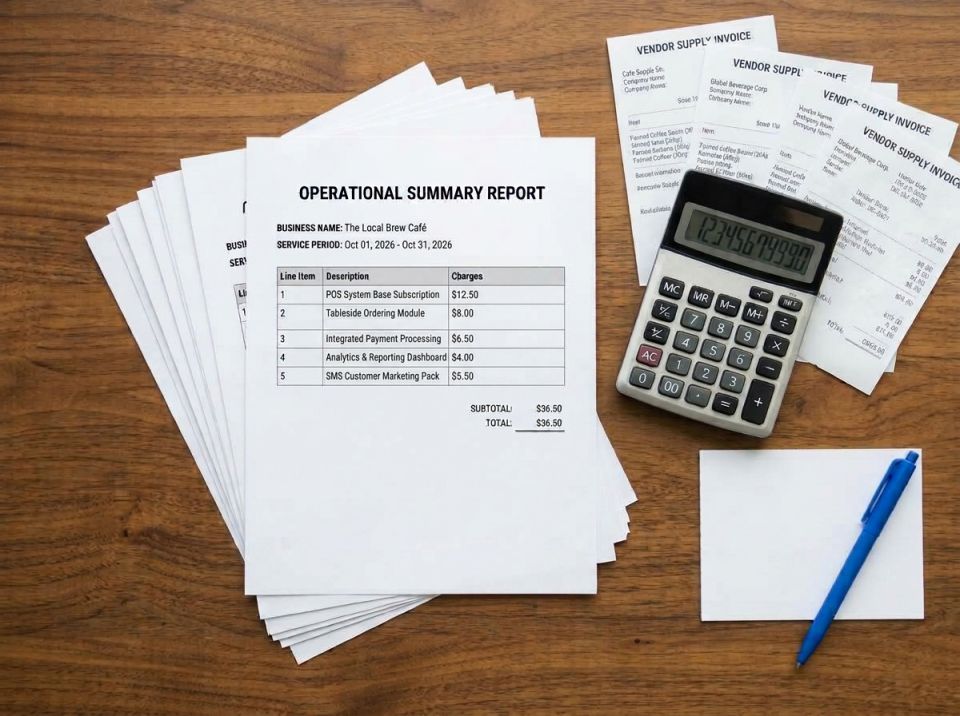
Payment processing is a routine part of restaurant operations, but its pricing can be difficult to compare. A provider may advertise a percentage, while the statement includes other charges or different rates for different types of transactions. Start with recent processing statements and your merchant agreement.
Gather several months of statements if possible. This helps account for changes in sales volume, seasonal demand, average ticket size, and the mix of in-person and online transactions.
Understand the components
Processing agreements may include percentage-based charges, per-transaction fees, network or assessment charges, monthly or gateway fees, and other account-specific items. The exact structure varies by provider and plan. Ask the processor to identify which charges are included in a quoted rate and which appear separately.
Separate in-person transactions from online and phone orders. Different transaction methods may have different pricing, risk controls, or service requirements.
Compare effective cost, not just the advertised rate
A practical comparison is to total processing-related charges for a period and divide them by the card sales processed during that same period. This produces an effective cost percentage. It is useful for comparison, but does not replace reviewing individual fees or contract conditions.
Use the same time period and comparable sales figures for each provider. Ask about chargebacks, refunds, equipment, early termination, monthly minimums, and other conditions that could affect overall cost. Confirm assumptions in writing.
Consider how your restaurant accepts payments
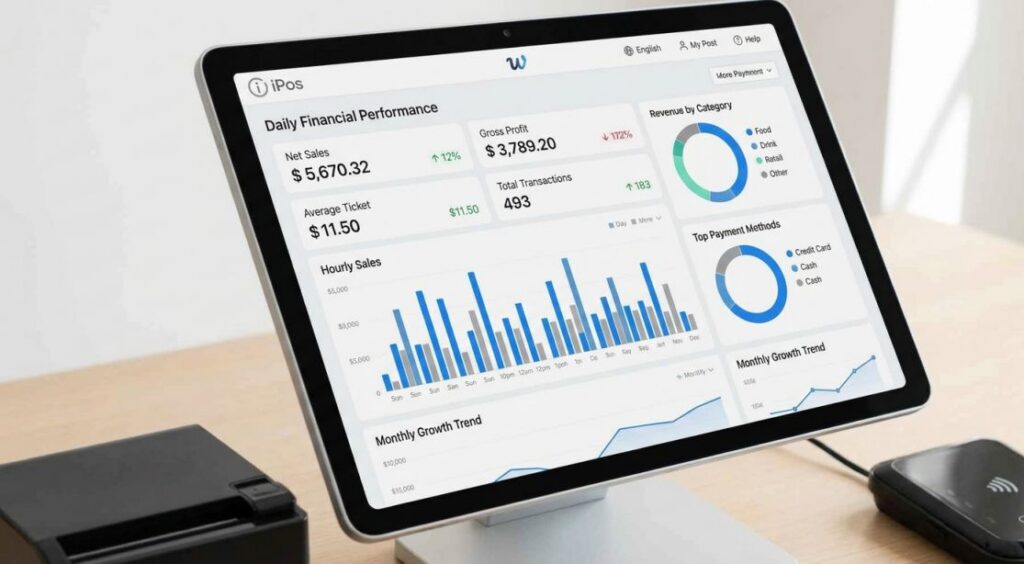
A café with many small counter transactions may have a different cost profile from a full-service restaurant with larger checks, tips, and tableside payments. A restaurant that takes online or phone orders may also need tools that let customers pay remotely. Evaluate the methods your guests use and whether the proposed system supports them without creating extra work for staff.
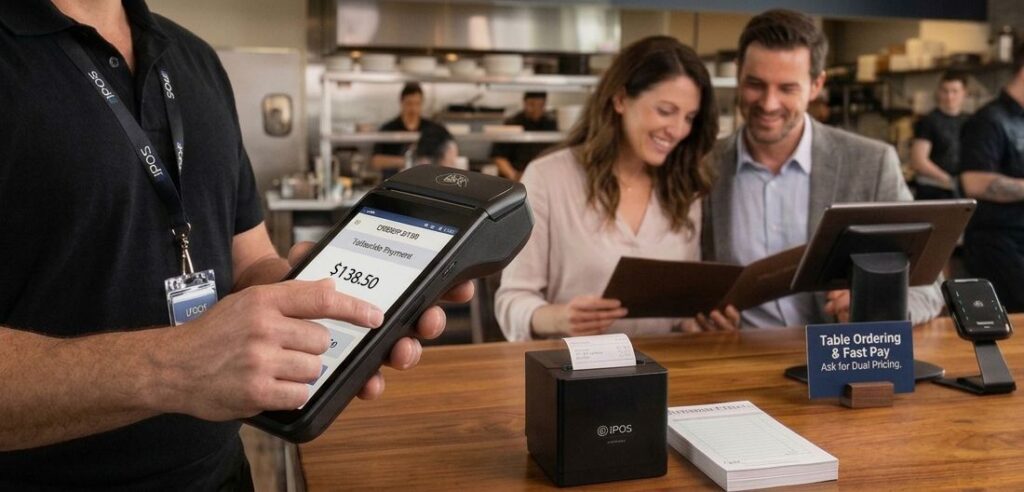
Payment processing should fit the wider workflow. Text-to-pay, QR-code payments, and tableside payment devices may be useful depending on your service model and the fees and conditions attached.
Ask providers specific questions
Request a complete fee schedule and ask the provider to explain each line. Find out whether pricing can change, what equipment or software is required, how deposits are handled, and what support is available. If a provider offers a specialized pricing model, ask how it is presented to customers and what rules apply to your business and location.
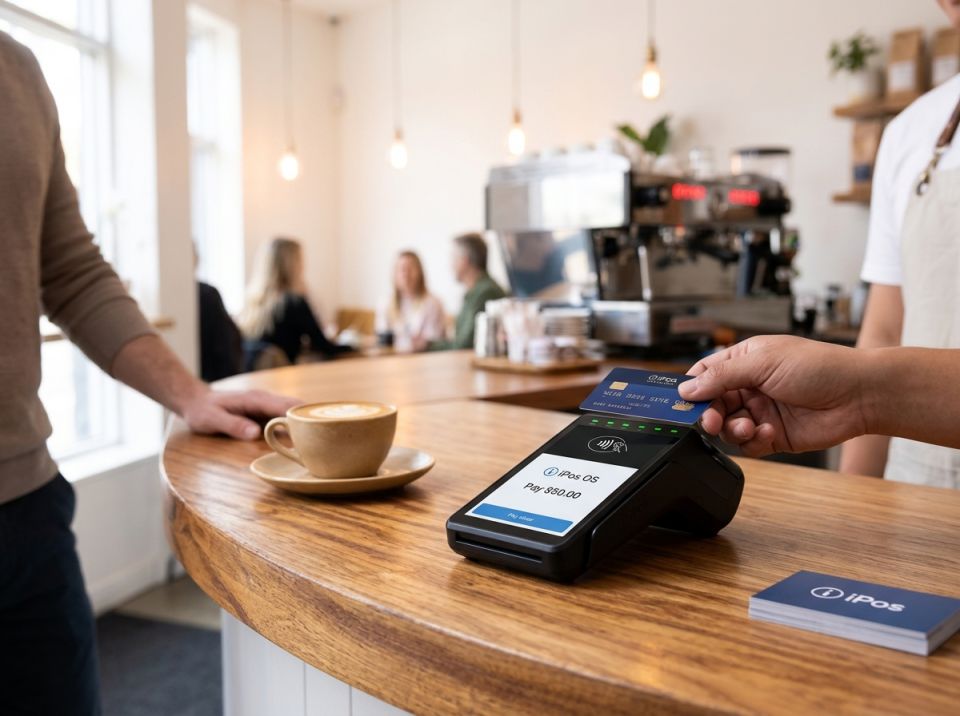
iPOS includes payment capabilities within its broader POS platform and offers a Dual Pricing option. The right choice depends on your business, customers, agreement, and applicable rules. Compare options using your own figures.
KEY TAKEAWAY
Use recent statements, calculate the effective processing cost, compare equivalent fee structures, and confirm all terms in writing before choosing a provider.
A practical next step
The goal is to understand the complete cost of accepting payments and choose a solution that works for your restaurant’s transactions, service style, and customers.